Electronic Trading
The total removal of the physical trading floor in favor of the SGX QUEST system, enabling millisecond execution speeds.
TECHNICAL SPECS
Analyzing the transition from regional commodity trading to one of the world's most sophisticated electronic exchange infrastructures. We examine the structural milestones that defined the Singapore Exchange (SGX).
Subscribe to be the first to know.
The financial history of Singapore began with the establishment of a free port, transitioning from physical commodity barter to structured trade financing. By the early 20th century, the demand for capital led to the formation of the first organized stockbroking associations.
The transition was marked by the move from loosely regulated rubber and tin trading to the formalization of the Stock Brokers' Association of Malaya in 1930. This structural shift laid the groundwork for modern risk management protocols used today.
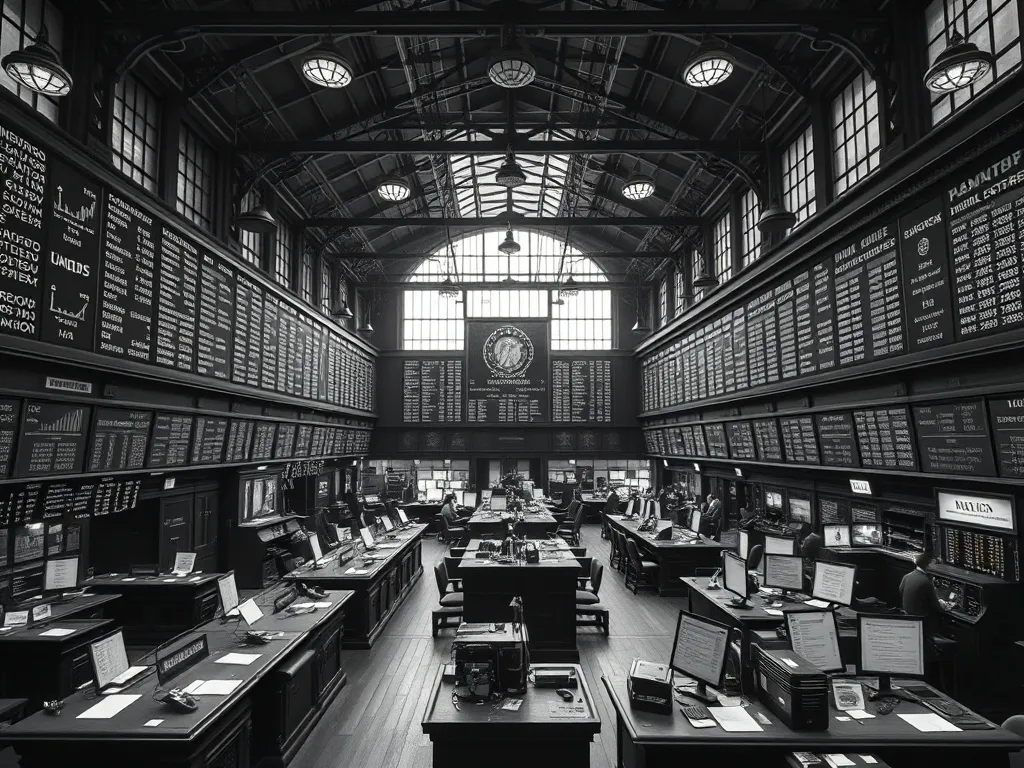

The most critical evolutionary step occurred in 1999 with the merger of the Stock Exchange of Singapore (SES) and the Singapore International Monetary Exchange (SIMEX). This created the Singapore Exchange (SGX) as a unified entity for securities and derivatives.
This merger facilitated a more robust ETF instrument structure, allowing for diversified capital flows and centralized clearing operations. It marked Singapore's emergence as a global financial hub.
Analysis of the technological shifts that replaced floor trading with high-frequency algorithmic systems.
The total removal of the physical trading floor in favor of the SGX QUEST system, enabling millisecond execution speeds.
TECHNICAL SPECSIntegration with international clearing houses and the introduction of cross-border data links for institutional investors.
REGULATORY FRAMEWORKCurrent evolution focusing on DLT (Distributed Ledger Technology) for settlement and real-time market data analytics.
MARKET DATASES Foundation
SGX Formation
Listed Companies
Market Cap (Est)
Understanding history is the first step toward informed technical analysis. Review our current market data guides to apply these historical insights.
Access SGX Invest Guide