Volatility Benchmarking
Analysis of standard deviation across SGX blue-chips over a 30-year horizon, highlighting the stabilization of the Straits Times Index during global shocks.
Understanding the evolution of the Singaporean market requires a deep dive into historical volatility cycles. From the currency pressures of 1997 to the digital disruption of the early 2000s, Stonebroom examines the data-driven lessons that shape modern portfolio construction on the Singapore Exchange.
Analysis of standard deviation across SGX blue-chips over a 30-year horizon, highlighting the stabilization of the Straits Times Index during global shocks.
Evaluation of the MAS regulatory frameworks that evolved after 2008 to protect retail participants from systemic liquidity failures.
Focus on the Singapore REITs (S-REITs) sector, which has historically provided a buffer against inflationary pressures since its inception in 2002.
The 1997 Asian Financial Crisis remains a cornerstone for risk management studies in Singapore. Triggered by the devaluation of the Thai Baht, the contagion rapidly spread through ASEAN markets, putting immense pressure on the Singapore Dollar. Despite the regional turmoil, the Singaporean government’s commitment to fiscal discipline and a robust banking sector allowed for a swifter recovery compared to its neighbors.
"The 1997 crisis forced a paradigm shift in how SGX-listed companies manage debt-to-equity ratios. It was the catalyst for the modern, transparency-first reporting standards we see today."
Investors who remained diversified across asset classes during this period saw the importance of liquidity. This era taught the market that regional stability is interconnected, and established the necessity of maintaining a "war chest" of cash equivalents to capitalize on suppressed valuations during market troughs.
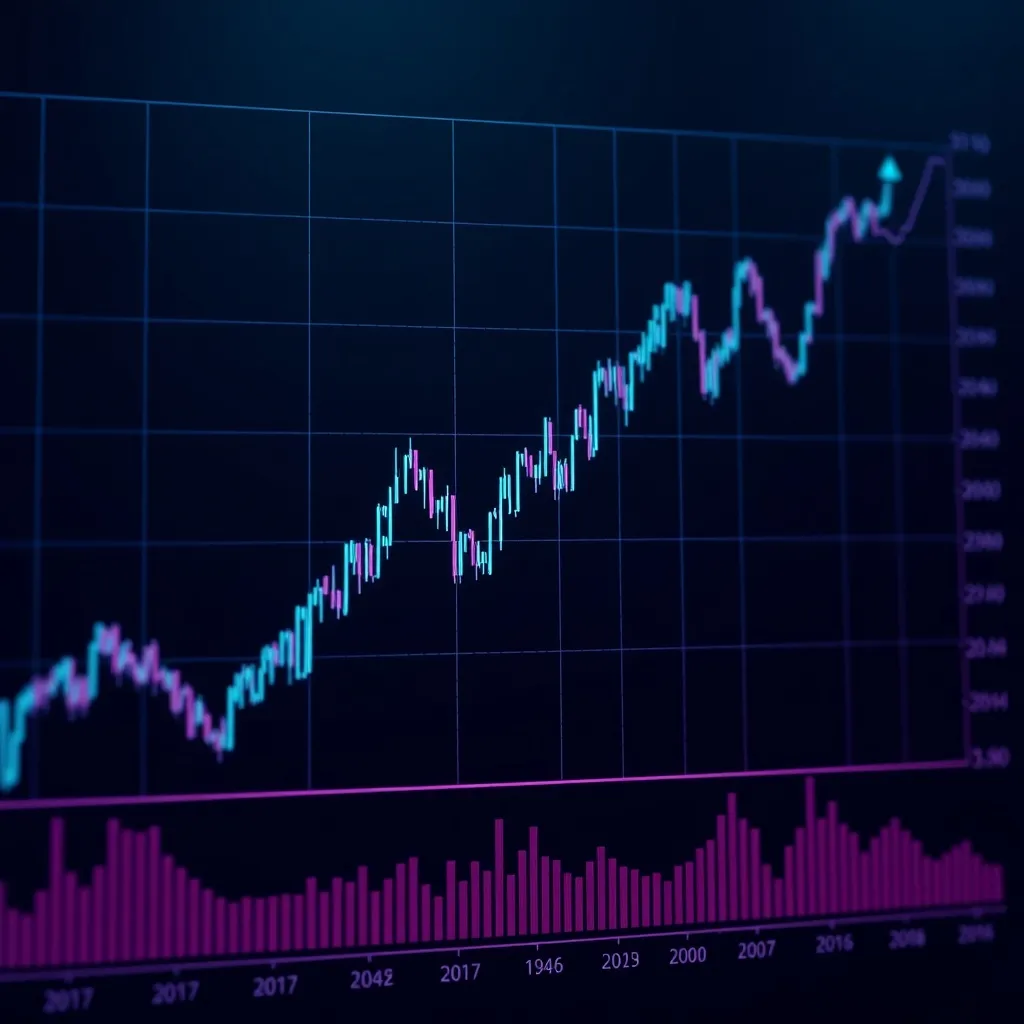

As the world pivoted toward the "New Economy" in the late 1990s, Singapore was not immune to the speculative frenzy. While the US Nasdaq took the brunt of the correction, the SGX saw significant corrections in its burgeoning tech and electronics manufacturing sectors. This period highlighted the dangers of over-concentration in sector-specific growth stocks without underlying earnings.
Drawing from historical data to build portfolios that withstand modern geopolitical and economic shifts.
Balancing traditional financials with defensive REITs and emerging green-energy sectors on the SGX.
Using ETFs to gain exposure to global indices, reducing reliance on the domestic economy during cycles.
Adjusting position sizes based on the historical volatility of the specific asset class rather than capital alone.
Maintaining a 10-15% cash or short-term T-bill allocation to act as a stabilizer during drawdown events.
Historically, inflation has been the "silent killer" of purchasing power in the Singaporean context. By analyzing the high-inflation environment of the late 1970s and comparing it with post-2020 data, we observe a consistent trend: equities with strong pricing power and physical real estate assets (S-REITs) tend to outperform fixed-income instruments.
The Singapore Exchange offers unique instruments, such as the STI ETF, which historically captures the growth of the nation's top 30 companies. These companies often have the operational leverage to pass on increased costs to consumers, thereby maintaining dividend yields even when the Consumer Price Index (CPI) rises.
| Asset Class | Historical Performance (Inflation > 4%) | Volatility Rating |
|---|---|---|
| SG Blue Chips | Moderate Growth / High Dividends | Medium |
| S-REITs | Inflation-Linked Rental Growth | Low to Medium |
| SSB (Savings Bonds) | Capital Preservation / Fixed Yield | Very Low |
Modern risk management dictates that an inflationary hedge is no longer optional. Investors must transition from a "savings" mindset to an "investing" mindset to ensure that their wealth growth exceeds the rate of currency debasement.
The data proves that the Singapore market rewards patience and systematic risk mitigation. Begin your journey by understanding how SGX mechanics function to protect your capital.
Stonebroom operates as an independent reference platform and educational resource. This project is not affiliated with, endorsed by, or partnered with any Singaporean government agencies, statutory boards, commercial financial suppliers, or specific corporate brand owners. All historical data and risk analyses presented are for informational purposes and should not be construed as direct financial advice.
Subscribe to be the first to know.